
14 Short Natural Hair Cornrow Styles Perfect for Busy Lifestyles

You can streamline your routine with cornrow styles like classic straight-backs, two French cornrows, center parts, and zigzag patterns—all expertly crafted to keep short natural hair protected and polished. Use a rat-tail comb for precision, maintain even tension, and always start with moisturized, detangled strands.
Go creative with bubble pigtails, halo braids, updo buns, or headband cornrows. Nightly satin wraps and gentle maintenance guarantee longevity. Explore more techniques and style variations to find your perfect, low-maintenance fit next.
1. Classic Straight-Back Cornrows
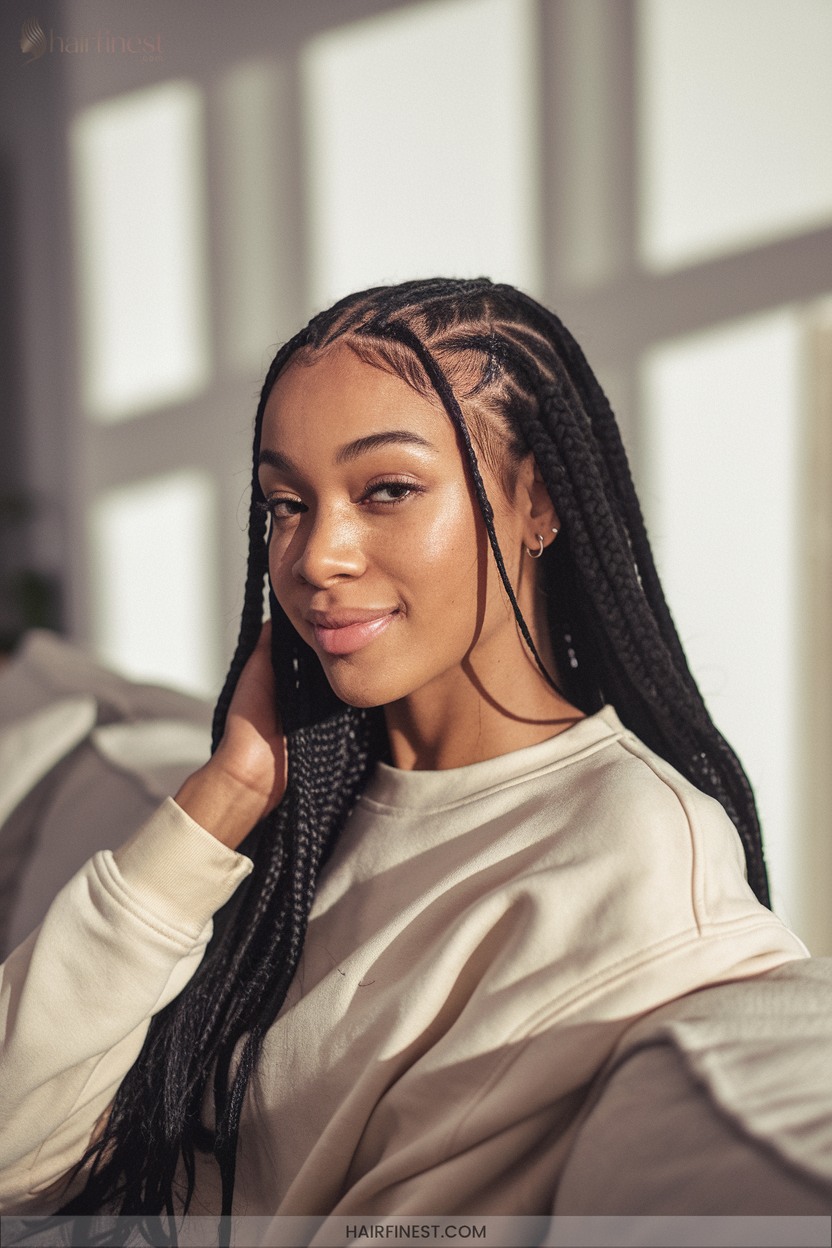

A classic straight-back cornrow style delivers clean, parallel braids that protect your natural hair and showcase expert sectioning technique.
Classic straight-back cornrows offer sleek, parallel braids that safeguard your natural hair and highlight flawless parting skills.
You’ll use a dual-sided rat tail comb for precise parting, ensuring even rows—typically 8 to 11—suited to your hair’s density.
Apply consistent tension with the underhand or overhand method, incorporating hair seamlessly for flat, defined stitches. Moisturize, then maintain with satin wraps for maximum longevity.
2. Two French Cornrows
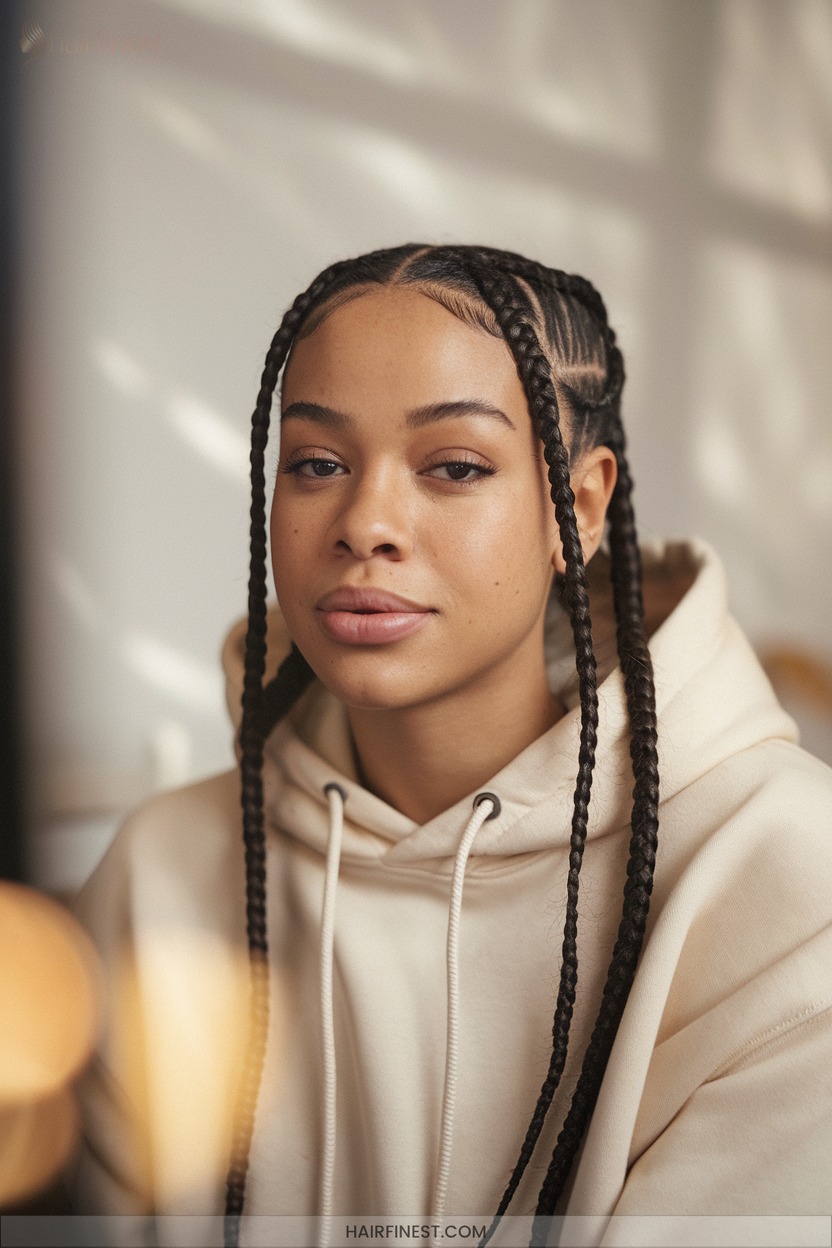
Two French cornrows fuse the classic French braid technique with cornrow precision, delivering a style that’s both streamlined and protective for natural hair.
Start by detangling, then section your hair evenly. Employ the French braiding method, incorporating strands as you move along the scalp.
This approach minimizes breakage, retains moisture, and promotes growth, all while ensuring a polished, adaptable look ideal for fast-paced routines.
3. Center Part Cornrows
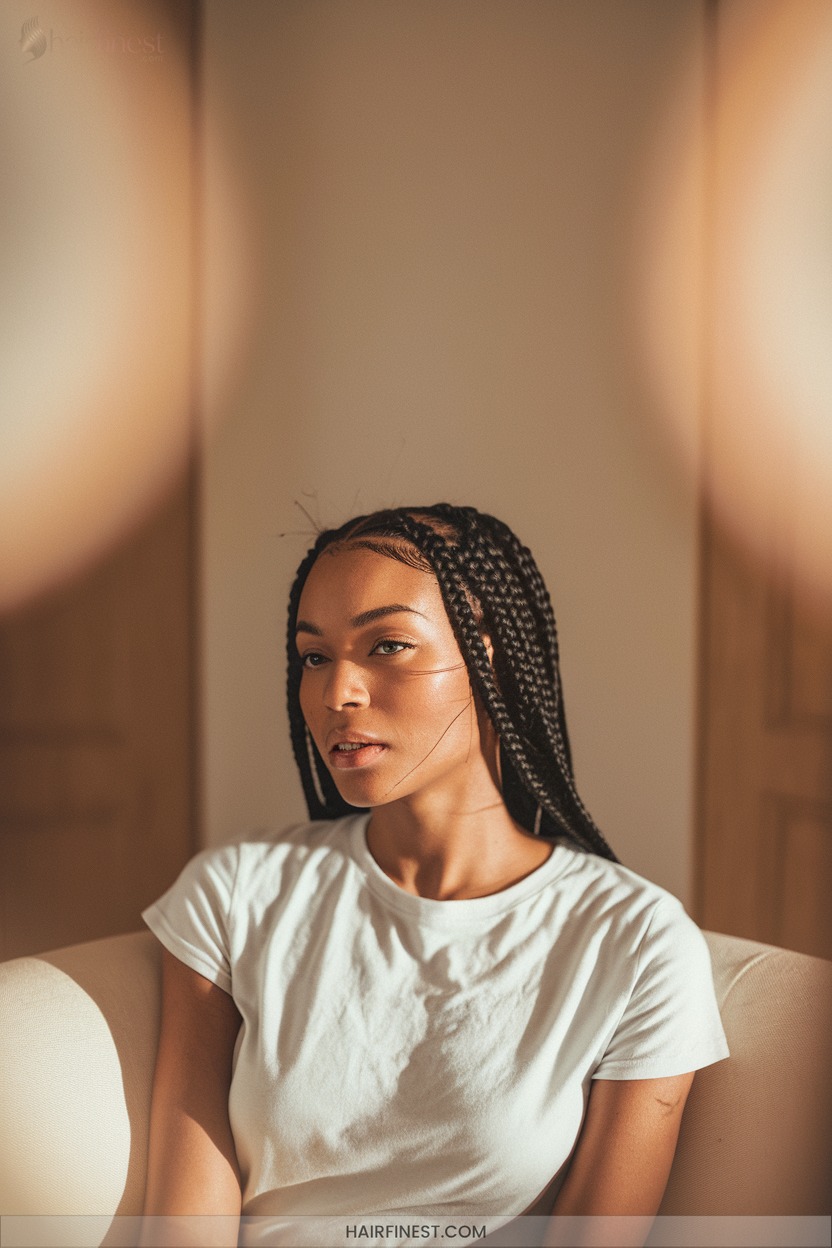
Center part cornrows deliver a symmetrical, polished look by dividing your hair with a precise middle part and braiding each side close to the scalp using an underhand technique.
You’ll need meticulous sectioning—triangular parts guarantee tidy lines—while detangling and moisturizing prevents breakage.
Use fine-tooth combs, duckbill clips, and balanced tension for clean, professional results. This style’s versatility and low-maintenance nature suit fast-paced, innovative routines.
4. Zigzag Pattern Cornrows

Geometry meets artistry with zigzag pattern cornrows, delivering a creative twist on traditional braiding by guiding each cornrow along crisp, angular lines rather than straight paths.
You’ll use a rat-tail comb for sharp partings, then braid tightly, rotating your hands at each bend to preserve definition.
This method amplifies volume, holds 1–2 weeks, and thrives with nightly satin wraps and light moisturizing sprays.
5. Halo Braid for Short Hair

A halo braid forms a seamless crown around your head, making it a standout protective style even for short natural hair. You’ll master this look by strategically parting, braiding along the hairline, and securing with precision.
For enhanced results:
- Integrate braiding hair for fullness or color play
- Use edge control for a sleek, polished finish
- Employ bobby pins to maintain structure
6. Short Straight-Back Cornrows
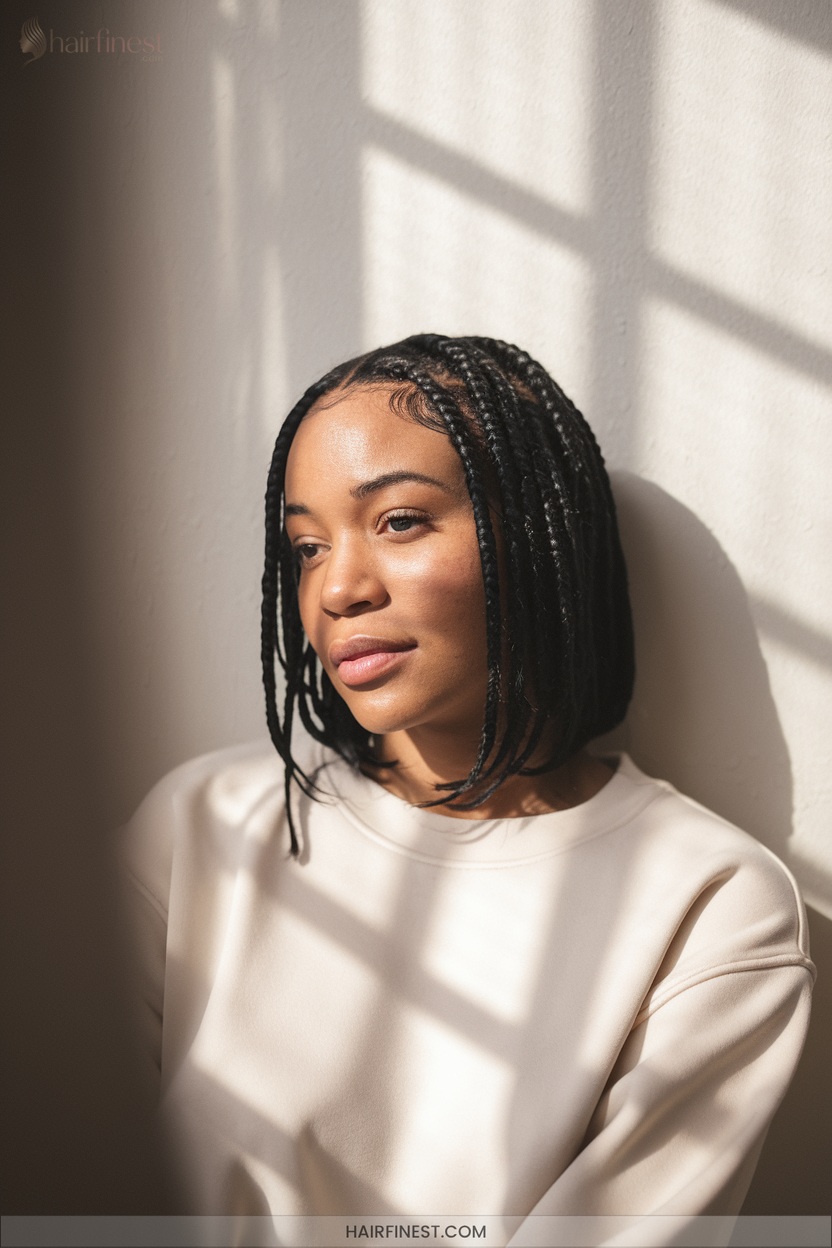
For a streamlined protective style that suits short natural hair, short straight-back cornrows deliver both functionality and style. Begin by sectioning with a rat-tail comb for precise parts.
Apply edge control for sleekness, then braid using the feed-in method, maintaining even tension. Secure with elastics.
This technique minimizes manipulation, preserves hair health, and offers customizable, low-maintenance versatility—perfect for innovators seeking efficiency and bold simplicity.
7. Alternating Thin and Thick Cornrows
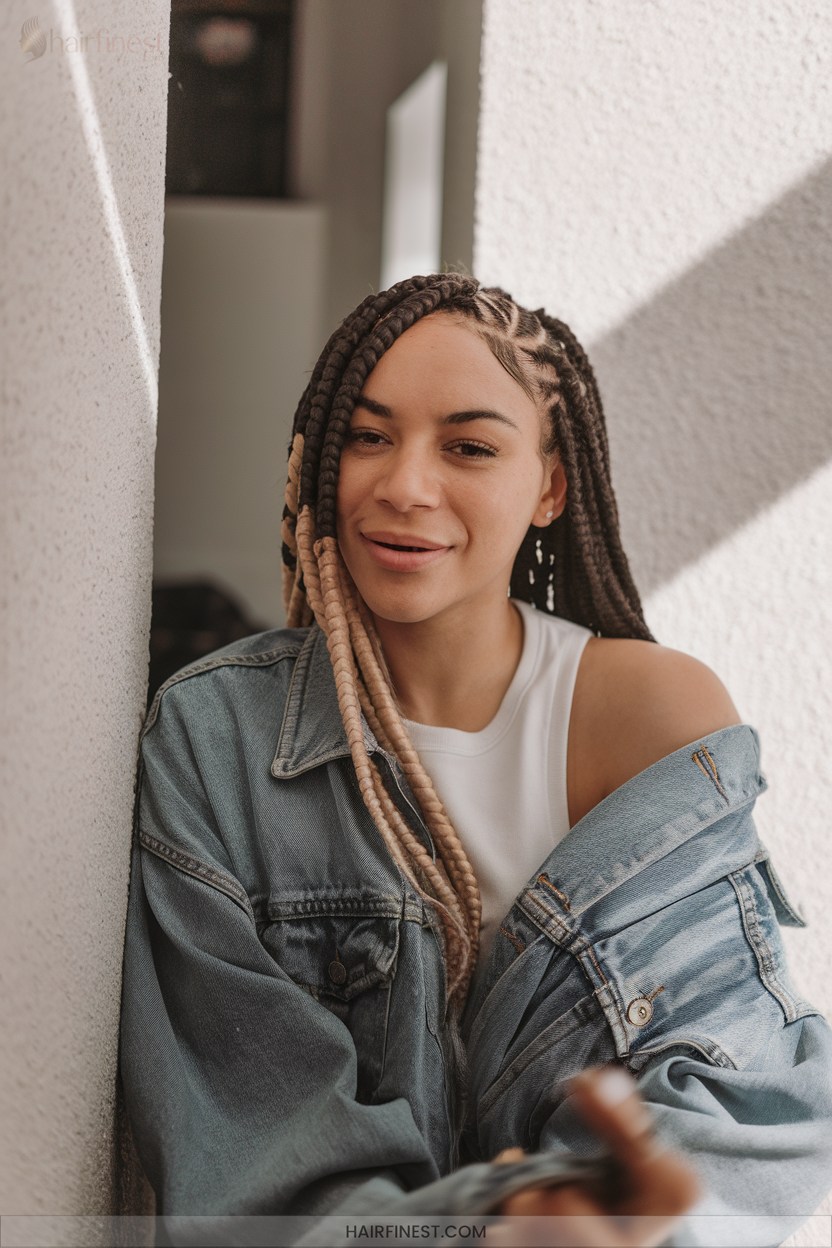
With alternating thin and thick cornrows, you’ll bring dimensional artistry and structure to short natural hair.
Alternating thin and thick cornrows add sculptural depth and striking structure to short natural hair, elevating your look with creative flair.
Precision sectioning is essential—use a rat-tail comb to alternate between narrow and broad rows, crafting geometric patterns that accentuate your features.
Maintain moisture and tension for longevity and comfort.
- Frame your face with thicker rows for emphasis
- Incorporate colored threads for innovation
- Secure edges with light hold products
8. Underhand Cornrow Technique
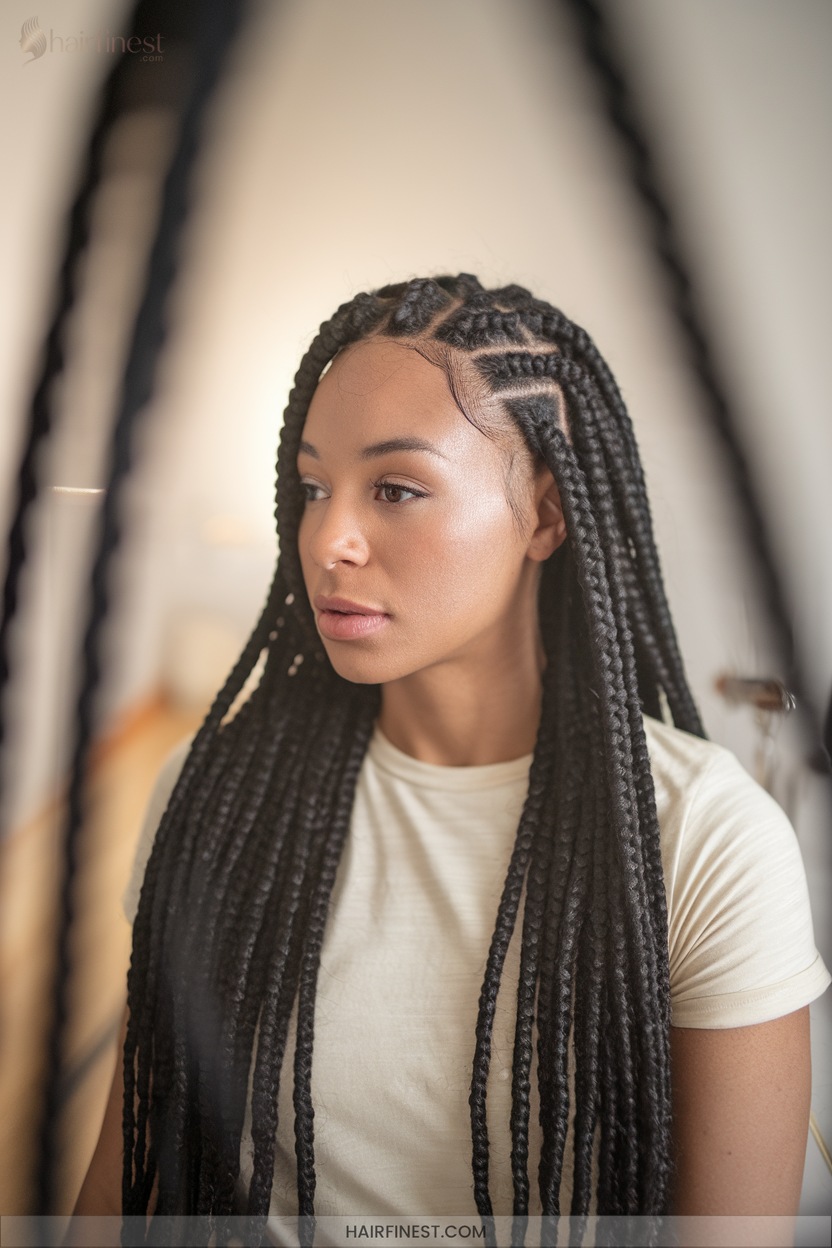
Mastery of the underhand cornrow technique delivers flat, snug braids that showcase definition and durability on short natural hair.
You’ll part with a rat-tail comb, prep with detangler, and braid by moving your hands beneath the hair for maximum scalp proximity. Maintain consistent tension, add hair evenly, and secure ends firmly.
This efficient method optimizes style longevity while upholding scalp health and minimizing manipulation.
9. Side-Swept Cornrow Style
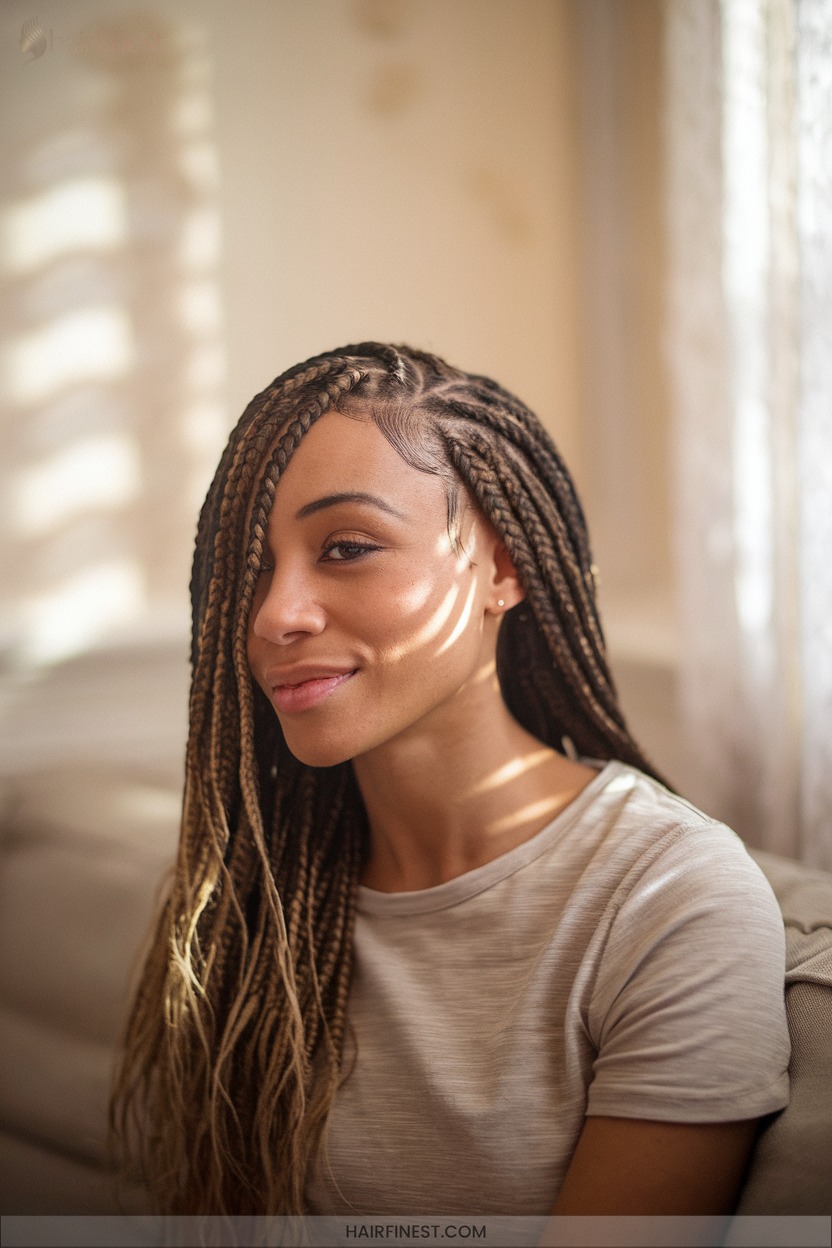
A side-swept cornrow style delivers both structure and sophistication by directing braids diagonally across the scalp, instantly enhancing facial symmetry and visual interest.
For busy innovators, this technique offers:
- Streamlined morning routines with low-maintenance longevity
- Customizable thickness and parting for bold or subtle effects
- Enhanced protection against environmental stressors
Pre-moisturize hair, avoid excessive tension, and preserve sleekness with satin at night for best results.
10. Geometric Cornrow Designs
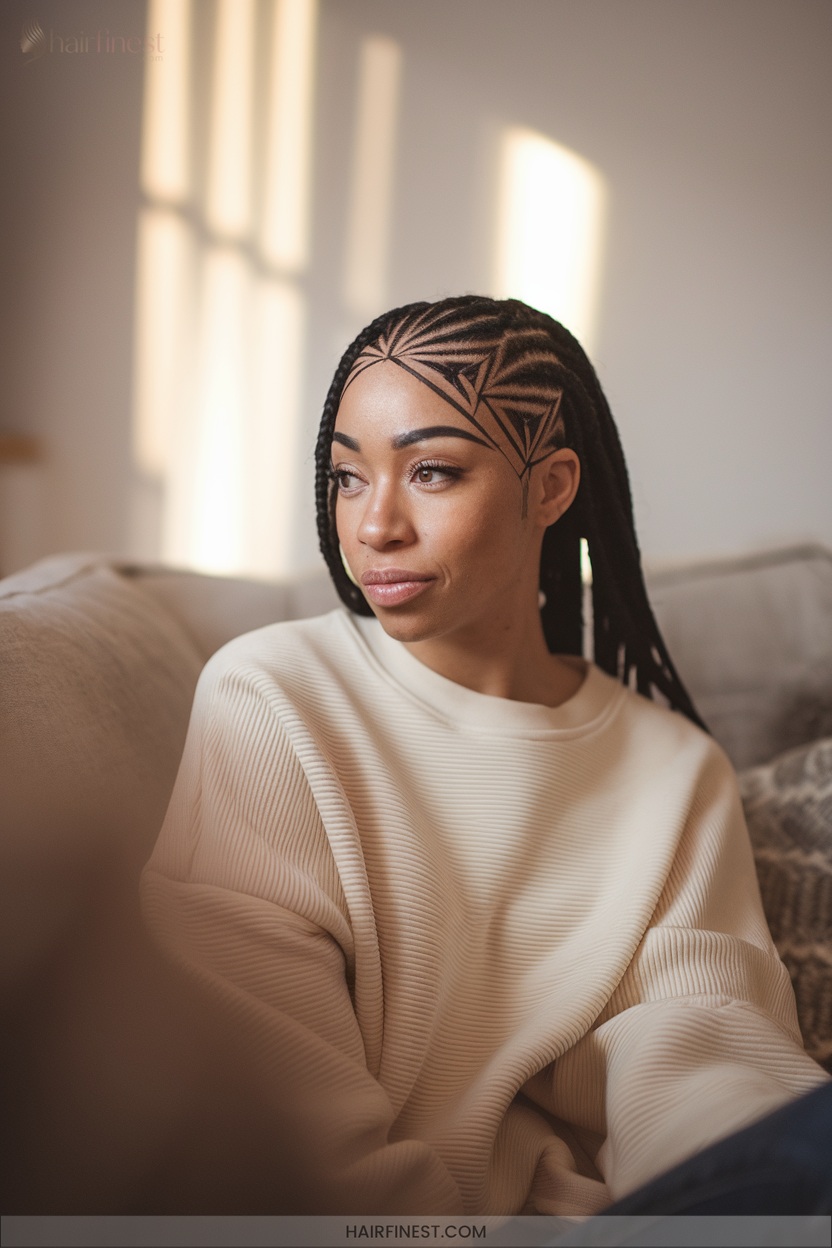
Geometric cornrow designs transform short natural hair into striking works of art by leveraging precise patterns, sharp angles, and symmetry.
Execute triangle, diamond, or spider braids by sectioning hair uniformly and maintaining consistent tension for crisp edges. Integrate feed-in extensions for dramatic volume and complexity.
These structured, low-maintenance styles protect your hair, minimize manipulation, and deliver bold, innovative aesthetics that elevate your everyday look with minimal upkeep.
11. Bubble Pigtails With Cornrows
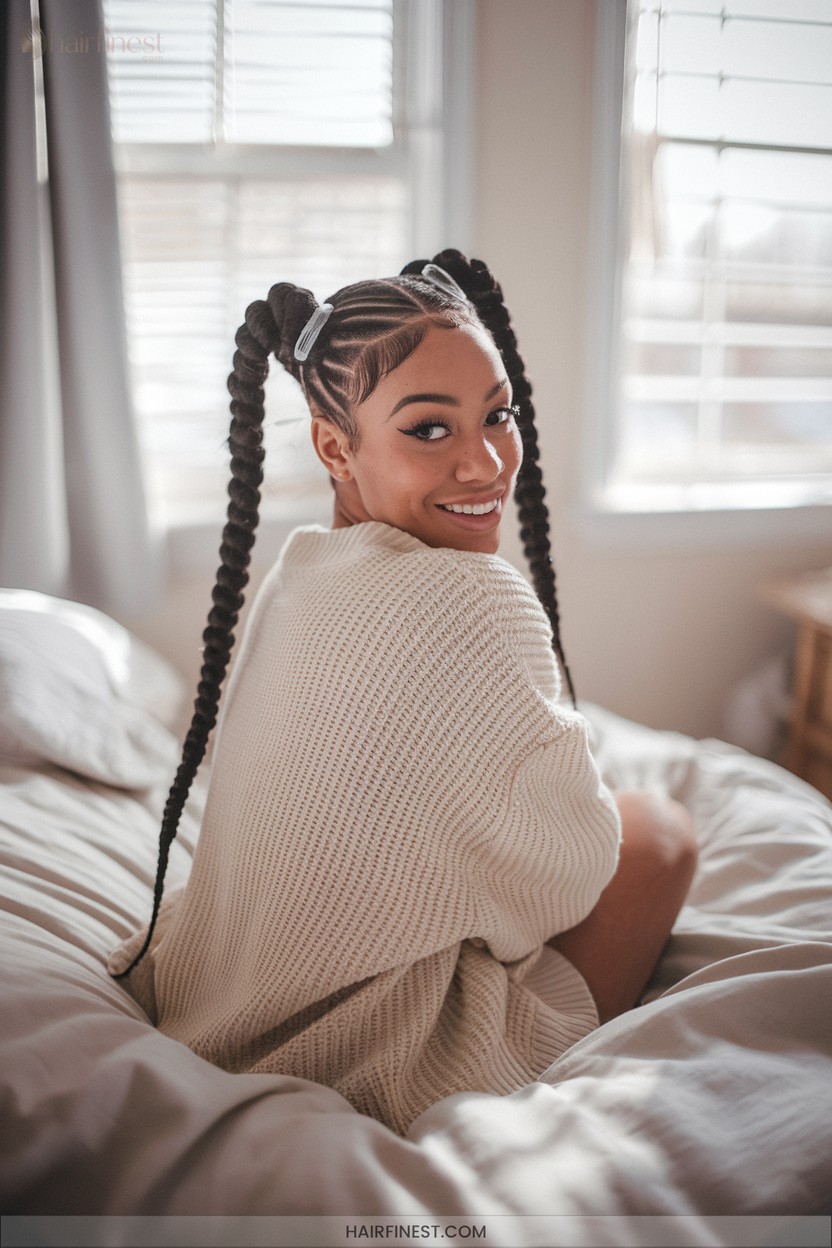
Elevate short natural hair by blending bubble pigtails with cornrows—a technique that merges structured braiding with playful volume.
You’ll create visual intrigue by starting with neat cornrows as the foundation, then forming bubbles using elastics spaced evenly along each pigtail.
Optimize efficiency and flair by:
- Using minimal manipulation for hair health
- Integrating creative accessory choices
- Revitalizing bubbles with quick elastic adjustments
12. Half-Up Cornrows on Short Hair
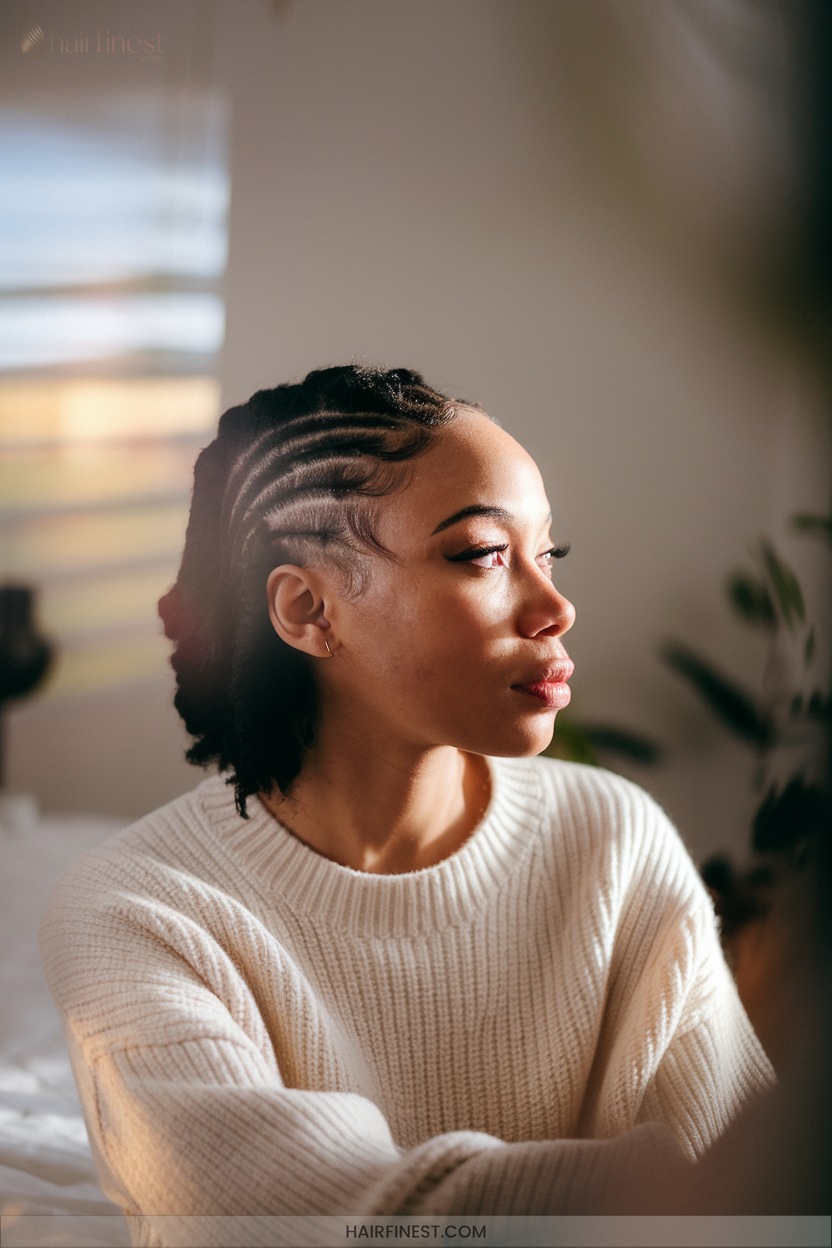
Building on the fusion of structure and playfulness seen in bubble pigtails with cornrows, half-up cornrows offer a polished yet versatile approach for short natural hair.
Half-up cornrows blend structure with playfulness, creating a polished and adaptable style for short natural hair.
Precise sectioning, strategic use of gel, and the needle-and-thread method guarantee secure braids even on very short strands.
Experiment with zigzag or straight parts for visual intrigue. Maintain longevity by moisturizing, gentle tension, and sleeping in satin.
13. Cornrow Updo Bun or Top Knot
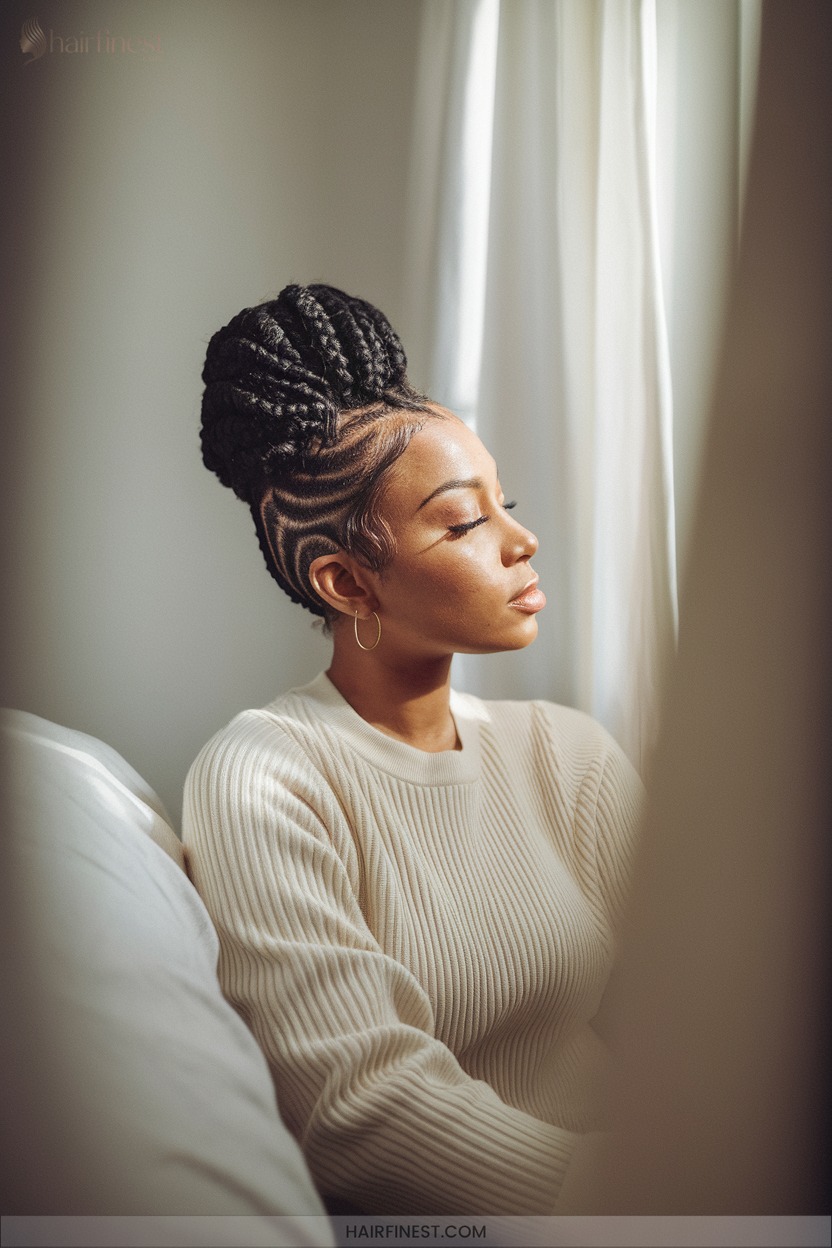
Cornrow updo buns and top knots offer a secure, sculpted option for short natural hair, combining clean sectioning with strategic braid direction for maximum control. Precision is key—gather cornrows at the crown, twist into a compact knot, and secure with bands or pins.
To innovate your updo, consider:
- Varying part placements for custom volume
- Integrating metallic cuffs
- Sculpting baby hairs for polish
14. Headband-Style Cornrows
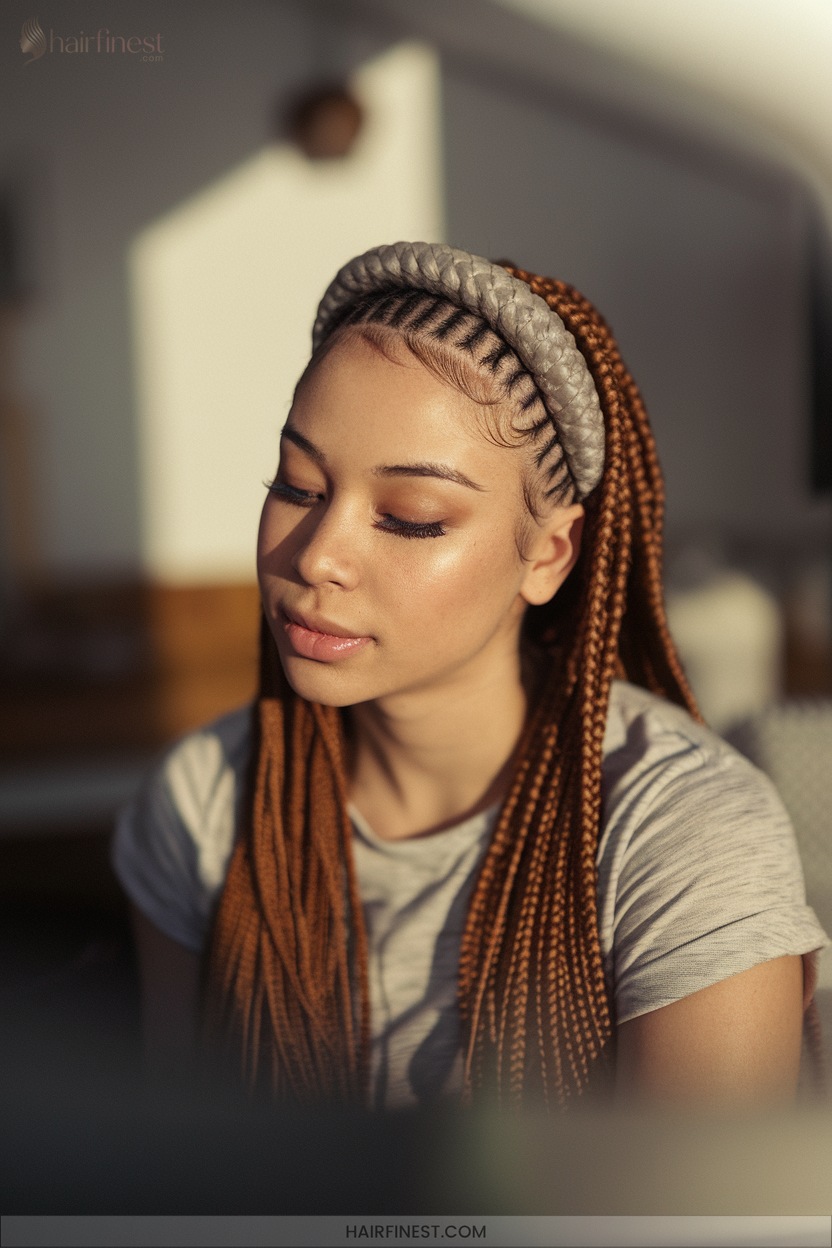
A headband-style cornrow frames your hairline with a sleek, sculpted braid that doubles as both a statement accessory and a protective barrier.
Start by sectioning a 3-inch swath from a deep side part, then use French or Dutch braiding to hug the scalp.
Pancake for volume. Opt for knotless techniques to reduce tension, and regularly moisturize for ideal scalp health and lasting wear.
Frequently Asked Questions
How Can I Keep My Scalp Moisturized While Wearing Cornrows?
To keep your scalp moisturized while wearing cornrows, spritz daily with a water-based leave-in, seal with lightweight oils like coconut or almond, and use gentle, hydrating products. Don’t forget scalp massages and satin accessories for ideal protection.
Are Cornrows Safe for Very Fine or Thinning Hair?
Cornrows can be safe for fine or thinning hair if you minimize tension, use knotless or small, loose braids, and prioritize moisture retention. Always select an expert braider, avoid heavy extensions, and monitor your scalp for early signs of stress.
How Often Should I Wash My Hair With Cornrows In?
You should wash your cornrows every 2 to 3 weeks to maintain scalp health and style longevity. If your scalp feels oily or itchy, increase frequency. Always use a sulfate-free shampoo and pat dry with microfiber.
What Are the Best Products to Prevent Itchiness With Cornrows?
You should integrate lightweight jojoba or tea tree oil, anti-itch sprays with peppermint, and hydrating serums into your regimen. Prioritize regular scalp moisturizing, loose cornrow tension, and essential oil blends to optimize scalp health and minimize itchiness.
How Do I Add Beads or Accessories to Short Cornrows?
To bead short cornrows, thread each bead onto a hair beader or bobby pin, insert the braid tip, and slide the bead up. Secure it with a rubber band, ensuring stability. Experiment with geometric, metallic, or custom accessories.
Conclusion
With these 14 short natural hair cornrow styles, you’ll streamline your routine without sacrificing style or hair health. Focus on proper sectioning, tension control, and scalp care to maximize longevity and minimize breakage.
Always moisturize your scalp and edges, and use a satin scarf at night to preserve the look. Whether you choose classic straight-backs or a creative zigzag pattern, you’ll master quick, protective techniques perfect for your busy lifestyle—while keeping your hair healthy and vibrant.


